It's a question we're asked often. "Many textbook providers include teacher resources and teacher sessions at no additional cost. Why don't you?"
Imagine two Grade 5 classrooms learning about evaporation.
In the first classroom, children begin by discussing where they have seen water disappear. The teacher asks a few questions, demonstrates an activity, explains the concept, and the class learns that water changes into water vapour. Children complete a worksheet and later conduct an activity that confirms what they have learnt.
It is an engaging lesson. Children participate, the teacher is enthusiastic, and everyone leaves feeling that learning has happened.
Now imagine another classroom. The lesson also begins with disappearing water. But instead of moving quickly towards the explanation, the teacher lingers.
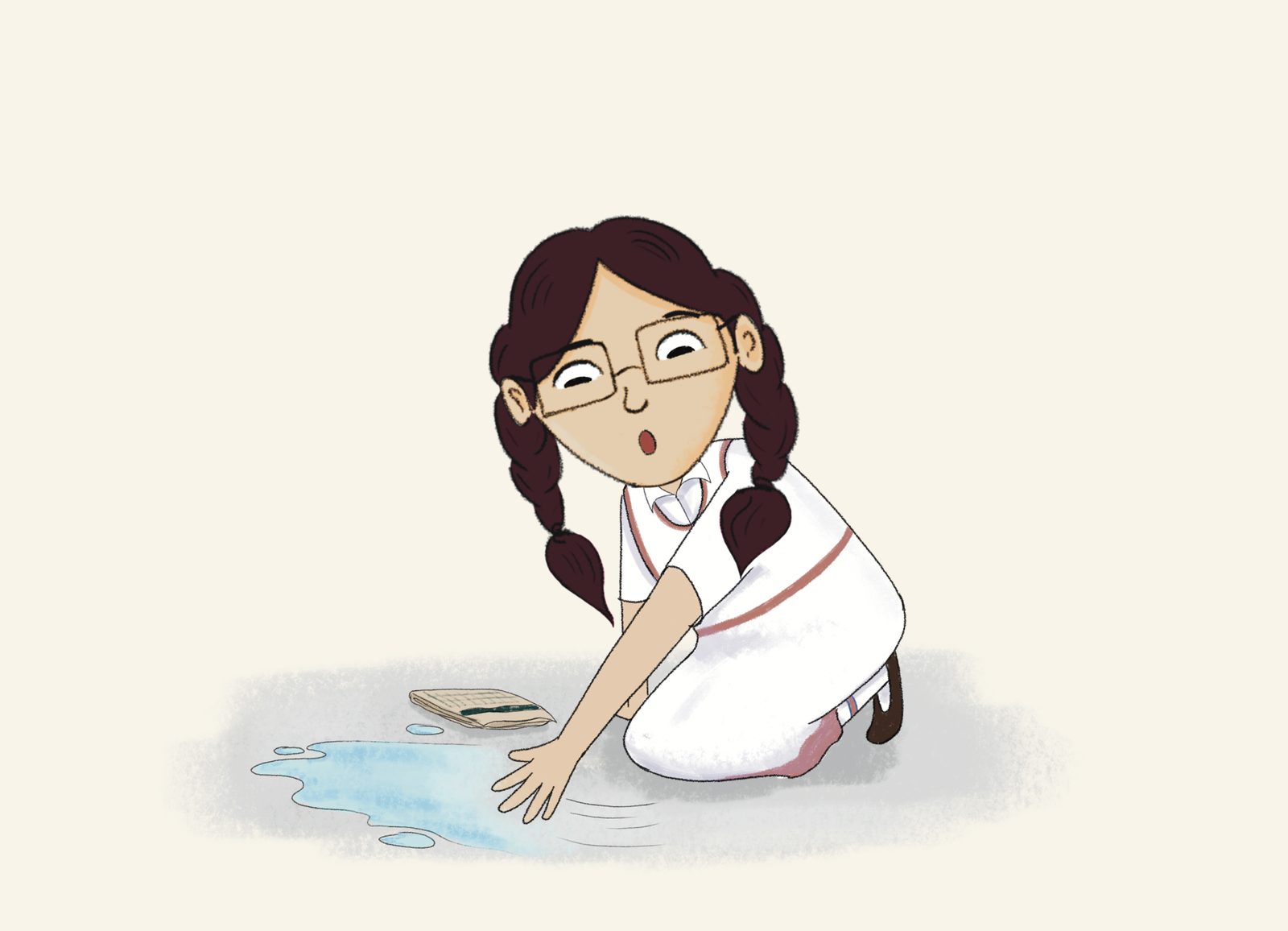
One child notices that puddles disappear faster in some places than others and wonders where did the water go really. Another wonders whether wind matters more than sunlight. Someone asks why clothes dry indoors during the monsoon at all. The teacher doesn't answer immediately.
Instead, these questions become the lesson. Children debate possible explanations, design simple ways to test them, collect observations over the next few days, disagree with one another, change their minds, and slowly realise that answering one question often creates three new ones.
The scientific idea of evaporation still emerges. But now it is built from children's own observations, questions and evidence rather than simply being introduced at the right moment.
Both classrooms are thoughtful. Both have good teachers.
Yet they sit at different places on a journey, from engaging lessons to classrooms where children begin thinking like scientists. Both classrooms covered the topic called "evaporation." But they are worlds apart.
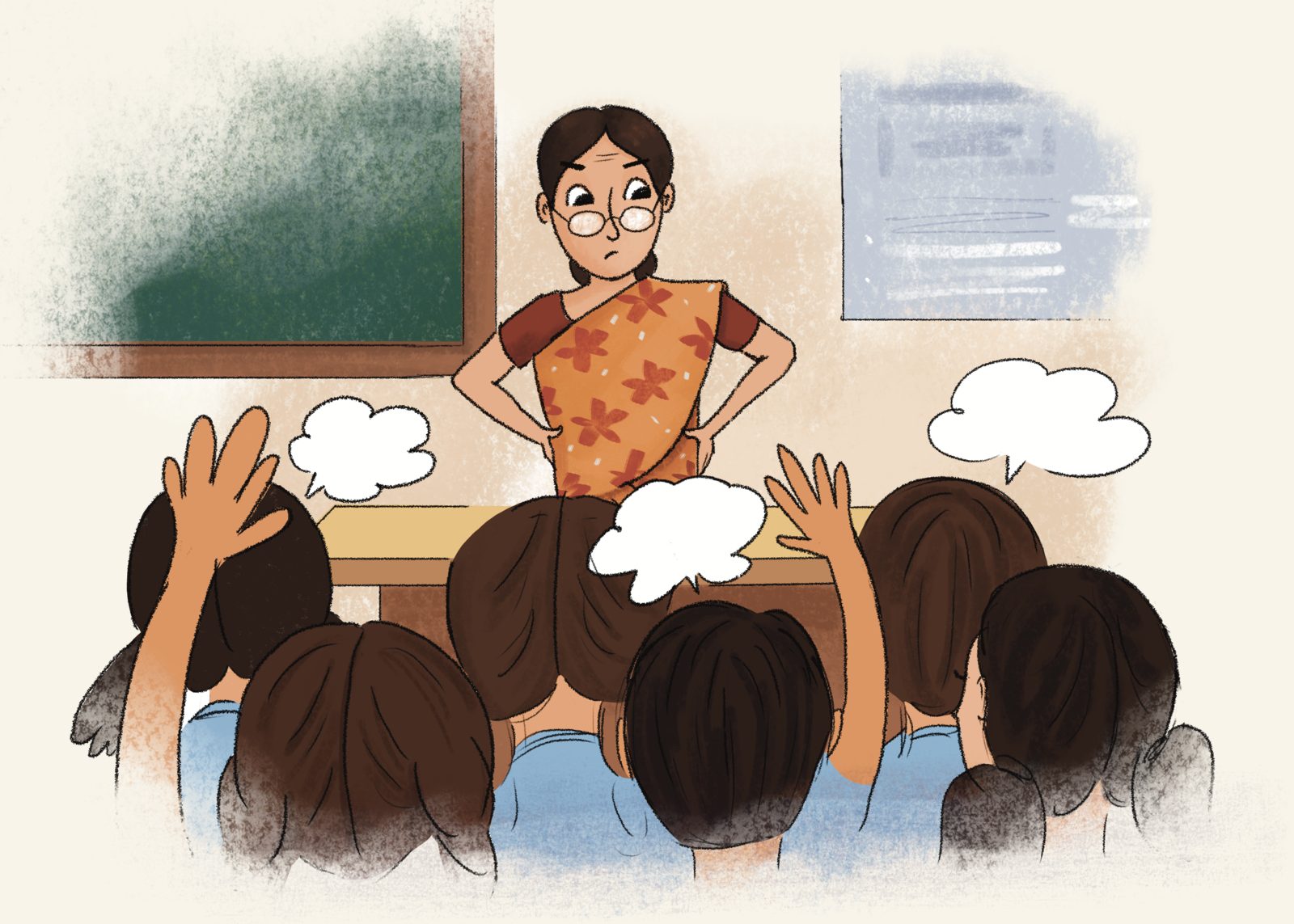
Most classrooms are somewhere on this spectrum. Moving a school from the first to the second isn't a materials or books problem. It's what happens in the two hundred conversations after the materials arrive. Which question was worth pausing for. Why the assessment paper still rewards recall when the lesson rewarded reasoning. How a teacher stops feeling that a good discussion means falling behind the syllabus. What to tell a parent whose child came home with a wet, unfinished experiment and no conclusion.
That work takes years, and it looks different in every school.
Our books are one tool in this journey. An important one.
But the real work is helping schools build the confidence, culture and capability to create such classrooms.
When schools partner with us, this is what they invest in. A long-term partnership in transforming learning.